When it comes to dominating the global sportswear market, few names resonate as powerfully as adidas. But beyond the flashy retail campaigns and celebrity endorsements lies a robust, high-performing engine: b2b adidas. This behind-the-scenes powerhouse fuels partnerships, scales distribution, and drives innovation across continents.





Understanding the b2b adidas Ecosystem

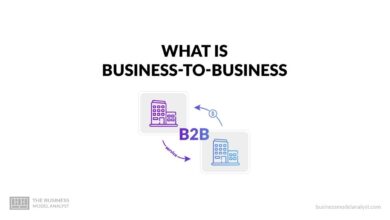
The term b2b adidas refers to the business-to-business operations that enable adidas to collaborate with retailers, distributors, wholesalers, and institutional clients. Unlike direct-to-consumer (DTC) models, the b2b adidas framework focuses on empowering other businesses to sell adidas products, creating a vast, interconnected network of commerce.
What Defines b2b adidas?
At its core, b2b adidas is about strategic alliances. It’s not just about selling shoes in bulk; it’s about co-developing market strategies, ensuring brand consistency, and delivering value through scalable supply chains. This model allows adidas to maintain global reach without overextending its own retail infrastructure.
- Partnerships with major retailers like Foot Locker and JD Sports
- Wholesale distribution to independent sports stores
- Collaborations with national sports federations and teams
These relationships are governed by strict brand guidelines, pricing structures, and performance metrics—ensuring that every partner aligns with adidas’s vision of innovation, sustainability, and performance.
How b2b adidas Differs from DTC
While adidas has invested heavily in its DTC channels—such as its official website and flagship stores—the b2b adidas model remains critical for volume and market penetration. The key difference lies in control and customer relationship.
- Control: In DTC, adidas controls the entire customer journey. In b2b, partners manage the end-customer experience.
- Margin: B2B typically operates on lower margins per unit but achieves higher volume.
- Data Access: DTC provides rich consumer data; b2b relies on aggregated sales reports from partners.
“Our b2b adidas strategy isn’t about replacing retail—it’s about elevating it,” said one senior executive during a 2023 investor call.
The Global Reach of b2b adidas
One of the most impressive aspects of b2b adidas is its global footprint. From North America to Southeast Asia, adidas has built a resilient network of business partners that amplify its presence in both mature and emerging markets.
North America: A Hub for Strategic Retail Alliances
In the United States and Canada, b2b adidas thrives through partnerships with major athletic retailers. Companies like Dick’s Sporting Goods and Academy Sports + Outdoors serve as key distribution points, especially in suburban and rural areas where standalone adidas stores are less common.
These retailers benefit from exclusive product drops, co-branded marketing campaigns, and early access to new collections. In return, adidas gains shelf space, localized marketing support, and valuable consumer insights.
According to Statista, North America accounted for over 25% of adidas’s total revenue in 2023, much of it driven by b2b sales.
Europe: Home Ground with Deep Institutional Ties
As a German company, adidas naturally enjoys strong b2b relationships across Europe. In countries like Germany, France, and the UK, the brand partners with national sports chains, football clubs, and government-backed sports programs.
- Supply agreements with Bundesliga and Premier League teams
- Uniform contracts with national Olympic committees
- Co-branded fitness equipment with gym chains like McFit
These institutional partnerships not only generate steady revenue but also reinforce adidas’s image as a leader in performance sportswear.
Asia-Pacific: Rapid Expansion Through Localized b2b Models
The Asia-Pacific region represents one of the fastest-growing markets for b2b adidas. In China, Japan, and India, adidas adapts its b2b approach to fit local business cultures and consumer preferences.
For example, in China, adidas works closely with Alibaba’s B2B platform, 1688.com, to connect with regional distributors. In India, the brand has partnered with Reliance Retail to expand its footprint across tier-2 and tier-3 cities.
This localization strategy ensures that b2b adidas isn’t a one-size-fits-all model but a flexible, responsive system tailored to regional dynamics.
Key b2b adidas Partnerships and Collaborations
The success of b2b adidas hinges on its ability to form high-impact partnerships. These are not merely transactional relationships but strategic alliances designed to drive mutual growth.
Major Retailer Partnerships
adidas maintains long-term contracts with some of the world’s largest sporting goods retailers. These partnerships often include:
- Exclusive product lines (e.g., Foot Locker x adidas)
- Joint marketing campaigns
- Data-sharing agreements for demand forecasting
For instance, the collaboration between adidas and JD Sports in the UK has led to a 30% increase in Yeezy sales (prior to the Kanye West split) through optimized in-store placement and digital promotions.
Sports Federation and Team Contracts
One of the most visible forms of b2b adidas is its sponsorship of national and international sports teams. These contracts go beyond branding—they involve full product development, athlete testing, and performance analytics.
- Official kit supplier for the German national football team
- Apparel partner for Major League Soccer (MLS)
- Footwear provider for ATP tennis players
These deals not only generate revenue but also serve as live testing grounds for new technologies like Boost cushioning and Primeknit uppers.
“Wearing adidas on the pitch isn’t just about pride—it’s about performance,” said a German national team coach in a 2022 interview.
Technology and Logistics Alliances
b2b adidas also extends into the backend—partnering with logistics firms, ERP providers, and AI-driven inventory platforms. Companies like DHL and SAP play a crucial role in ensuring that products reach partners on time and in full.
In 2023, adidas launched a pilot program with SAP’s Integrated Business Planning (IBP) system to improve demand forecasting accuracy across its b2b network. Early results showed a 15% reduction in overstock and a 20% improvement in order fulfillment speed.
Innovation in b2b adidas: Digital Transformation
To stay competitive, b2b adidas has embraced digital transformation across sales, inventory management, and partner engagement.
adidas Business Portal: The Digital Hub for Partners
The adidas Business Portal is a secure, web-based platform that allows wholesale partners to place orders, track shipments, access marketing assets, and view performance reports.
Launched in 2021, the portal has become a cornerstone of the b2b adidas experience. It integrates with partners’ existing ERP systems and supports multi-language, multi-currency transactions—critical for global operations.
According to internal adidas reports, over 80% of b2b orders in Europe are now placed through the portal, reducing manual errors and processing time by up to 40%.
AI and Predictive Analytics in Supply Chain
b2b adidas leverages artificial intelligence to anticipate demand, optimize inventory, and prevent stockouts. Machine learning models analyze historical sales, weather patterns, social media trends, and even local event calendars to forecast product needs.
- Predictive restocking for major events like marathons or football tournaments
- Dynamic pricing suggestions based on regional demand
- Automated alerts for underperforming SKUs
This data-driven approach has helped reduce excess inventory by 12% year-over-year, according to adidas’s 2023 Sustainability Report.
Virtual Showrooms and Digital Product Launches
Gone are the days of physical trade shows as the only way to showcase new collections. b2b adidas now uses virtual showrooms powered by 3D rendering and augmented reality (AR).
Partners can explore new product lines from their offices, customize colorways, and place pre-orders—all without traveling. This has significantly reduced the carbon footprint of product launches while increasing partner engagement.
During the 2023 Q3 launch of the new Ultraboost 24, over 500 retailers participated in a virtual showroom event, resulting in a 25% faster order conversion rate compared to previous years.
Sustainability and Ethical Practices in b2b adidas
Sustainability is no longer optional—it’s a business imperative. b2b adidas has taken significant steps to ensure that its partnerships align with environmental and social responsibility goals.
Carbon-Neutral Supply Chain Initiatives
adidas is committed to achieving a carbon-neutral supply chain by 2050. As part of this, b2b adidas partners are encouraged—and in some cases required—to adopt eco-friendly practices.
- Preference for partners using renewable energy in warehouses
- Incentives for reducing packaging waste
- Tracking carbon emissions per shipment via blockchain
In 2022, adidas introduced the “Green Partner Program,” offering marketing support and extended payment terms to distributors that meet specific sustainability benchmarks.
Use of Recycled Materials in b2b Products
Many b2b adidas products now incorporate recycled materials. The popular Parley for the Oceans collection, made from ocean plastic, is available through wholesale channels.
Additionally, institutional partners like schools and sports clubs can order custom uniforms made from Primeblue (a high-performance recycled polyester), helping them meet their own sustainability targets.
“Sustainability isn’t a trend—it’s the future of sport,” said Maria Liu, Head of Sustainability at adidas.
Ethical Labor Practices Across the b2b Network
b2b adidas enforces strict labor standards across its supply chain. All manufacturing partners must comply with the adidas Code of Conduct, which prohibits child labor, ensures fair wages, and guarantees safe working conditions.
Third-party audits are conducted annually, and non-compliant factories are removed from the network. This commitment extends to b2b partners who are expected to uphold similar values in their operations.
Challenges Facing b2b adidas
Despite its success, b2b adidas faces several challenges that could impact its long-term growth and efficiency.
Competition from Direct-to-Consumer Models
As adidas expands its DTC channels, there’s a risk of channel conflict. Retail partners may feel sidelined if exclusive products are prioritized for adidas.com or flagship stores.
To mitigate this, adidas has introduced a “fair launch” policy, ensuring that key products are available to b2b partners at the same time as DTC channels. However, balancing these interests remains a delicate task.
Inventory Management Complexity
With thousands of SKUs and hundreds of partners worldwide, managing inventory is a massive challenge. Overstocking leads to markdowns; understocking results in lost sales.
While AI and the Business Portal have improved accuracy, regional disparities in demand forecasting persist. For example, cold-weather gear may sell out in Scandinavia while sitting idle in Southeast Asia.
Geopolitical and Economic Volatility
Global events—such as trade wars, currency fluctuations, and pandemics—can disrupt the b2b adidas network. The 2022 Russia-Ukraine conflict, for instance, led to the suspension of b2b operations in Eastern Europe, affecting over 200 partners.
adidas has responded by diversifying its supplier base and increasing regional autonomy in decision-making, but risks remain high in unstable markets.
Future Trends Shaping b2b adidas
The future of b2b adidas is being shaped by technology, sustainability, and evolving consumer expectations.
Expansion of B2B2C Models
The line between B2B and B2C is blurring. adidas is increasingly adopting B2B2C strategies, where it collaborates with retailers to co-create customer experiences.
For example, through the “adidas x Retailer Loyalty Program,” partners can offer exclusive rewards, early access, and personalized recommendations powered by adidas’s customer data (with consent).
This model strengthens partner relationships while keeping adidas at the center of the consumer journey.
Blockchain for Transparency and Trust
adidas is exploring blockchain technology to enhance transparency in its b2b operations. By recording every transaction—from raw material sourcing to final delivery—on a decentralized ledger, the brand can ensure authenticity and ethical compliance.
Pilots are underway with selected partners in Europe to track the lifecycle of high-value products like limited-edition sneakers.
AI-Powered Partner Success Platforms
Looking ahead, b2b adidas plans to launch an AI-driven Partner Success Platform. This system will provide real-time performance insights, automated recommendations, and predictive support for inventory, marketing, and sales.
Imagine a dashboard that tells a retailer: “Stock up on Stan Smiths—local social media trends show a 40% spike in interest.” That’s the future b2b adidas is building.
What is b2b adidas?
b2b adidas refers to the business-to-business operations through which adidas partners with retailers, distributors, sports organizations, and institutions to distribute and sell its products. It’s a critical component of adidas’s global strategy, enabling scale, market penetration, and brand consistency.
How does b2b adidas differ from DTC?
While DTC (direct-to-consumer) involves selling directly to customers via adidas.com or physical stores, b2b adidas focuses on equipping other businesses to sell adidas products. B2B offers higher volume but less control over the customer experience, whereas DTC provides full control and richer consumer data.
What are the main benefits of b2b adidas for partners?
Partners gain access to premium products, exclusive collaborations, marketing support, co-branded campaigns, and advanced digital tools like the adidas Business Portal. They also benefit from adidas’s global brand reputation and innovation pipeline.
Is sustainability a priority in b2b adidas?
Yes, sustainability is a core pillar. b2b adidas promotes the use of recycled materials, carbon-neutral logistics, and ethical labor practices. Partners are encouraged to join sustainability programs and meet environmental benchmarks.
What’s the future of b2b adidas?
The future includes AI-driven analytics, blockchain transparency, virtual showrooms, and B2B2C models that blend wholesale with consumer engagement. adidas aims to make its b2b network smarter, faster, and more sustainable.
From its roots in European sportswear to its current status as a global powerhouse, adidas has mastered the art of scaling through strategic partnerships. The b2b adidas model is not just about selling products—it’s about building ecosystems, driving innovation, and creating shared value. As technology evolves and sustainability becomes non-negotiable, b2b adidas is poised to lead the next wave of transformation in the sportswear industry. Whether you’re a retailer, distributor, or institutional buyer, understanding this dynamic network is key to unlocking growth in the world of performance and lifestyle apparel.
Further Reading: