Welcome to the future of corporate dining—where flavor meets function. The term ‘b2b bistro’ isn’t just a buzzword; it’s a revolution in how businesses approach workplace meals, client hospitality, and employee satisfaction. Let’s dive into what makes this concept so powerful.




What Exactly Is a B2B Bistro?

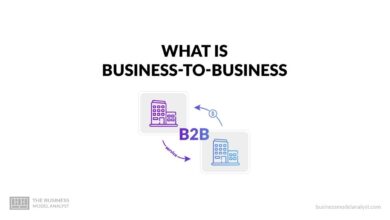
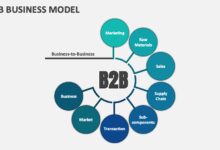
The phrase ‘b2b bistro’ might sound niche, but it’s rapidly becoming a cornerstone in modern corporate culture. Unlike traditional restaurants or cafeterias, a B2B bistro operates on a business-to-business model, offering curated dining experiences tailored specifically for companies, teams, and organizational events.
Defining the B2B Bistro Model
At its core, a B2B bistro provides food and beverage services not to individual walk-in customers, but to other businesses. These can include corporate offices, co-working spaces, event planners, HR departments organizing team lunches, or even tech startups looking to elevate their office culture through gourmet meals.
- Services are contracted directly between two businesses.
- Menus are often customizable based on dietary needs, brand values, or event themes.
- Operations may be on-site (within office premises) or off-site with delivery logistics.
This model shifts the focus from mass-market appeal to precision-tailored culinary solutions that align with a company’s operational rhythm and cultural identity.
How It Differs from Traditional Restaurants
While a regular restaurant thrives on foot traffic and individual patronage, a b2b bistro builds long-term contracts and relationships. Think of it as the difference between retail and wholesale—but with gourmet food.
- Revenue streams are more predictable due to recurring orders.
- Marketing focuses on B2B networking, proposals, and client relationship management rather than social media virality.
- Success is measured by client retention, satisfaction scores, and scalability across multiple locations.
“The B2B bistro isn’t about selling sandwiches—it’s about selling an experience, efficiency, and employer branding through food.” — Culinary Business Journal, 2023
Why Companies Are Turning to B2B Bistros
In today’s competitive talent market, perks matter. One of the fastest-growing trends among forward-thinking companies is partnering with a b2b bistro to enhance workplace culture, improve productivity, and strengthen team cohesion.
Boosting Employee Morale and Retention
Food has a direct impact on mood, energy levels, and overall job satisfaction. A study by the Gallup Organization found that employees who feel valued through workplace perks—like quality meals—are 3.5 times more likely to be engaged at work.
- Daily fresh meals signal that a company cares about employee well-being.
- Themed lunch days (e.g., Taco Tuesday, Mediterranean Monday) create excitement and anticipation.
- Healthy, balanced menus support physical health, reducing absenteeism and burnout.
When employees look forward to lunch, they’re more likely to stay—and recommend the company to others.
Enhancing Corporate Hospitality
Impressing clients isn’t just about presentations and pricing. It’s about the entire experience—including what’s served during meetings. A b2b bistro enables companies to offer elegant, branded catering for client visits, board meetings, or investor pitches.
- Custom menus reflect company sophistication and attention to detail.
- Allergen-aware and dietary-inclusive options show respect for guests’ needs.
- On-site chefs or branded plating elevate the perceived value of the interaction.
Imagine welcoming a potential investor with a beautifully arranged charcuterie board and artisanal beverages—curated not by a generic caterer, but by your trusted b2b bistro partner.
The Evolution of Workplace Dining: From Cafeteria to B2B Bistro
The journey of corporate dining has come a long way—from bland microwave meals to Michelin-inspired office menus. Understanding this evolution helps explain why the b2b bistro model is gaining traction now.
The Rise of the Modern Office Kitchen
Gone are the days when an office kitchen meant a fridge, a kettle, and stale biscuits. Today’s workplaces, especially in tech and creative industries, treat the kitchen as a social hub. Companies like Google and Apple have set the bar high with in-house chefs, global cuisine rotations, and sustainability-focused sourcing.
- Modern kitchens are designed for collaboration, not just consumption.
- Employees expect variety, freshness, and transparency in ingredients.
- DIY meal prep is being replaced by professionally managed food programs.
This shift has created a demand for external partners who can deliver restaurant-quality food without the overhead of hiring full-time culinary staff.
How Startups and SMEs Are Adopting the Model
While tech giants pioneered gourmet office dining, small and medium enterprises (SMEs) are now catching up—thanks to scalable b2b bistro solutions. These businesses don’t need a full kitchen; they need flexibility.
- Weekly or bi-weekly meal plans reduce administrative burden.
- Modular pricing allows startups to start small and scale as they grow.
- Partnerships with local bistros support community-based economies.
For example, a 20-person marketing agency might contract a b2b bistro for three catered lunches per week, rotating between Asian fusion, plant-based bowls, and comfort classics. It’s cost-effective, convenient, and culturally enriching.
Key Features of a Successful B2B Bistro
Not all food service providers can transition into a true b2b bistro. The most successful ones share a set of defining characteristics that go beyond just cooking great food.
Customization and Menu Flexibility
One size does not fit all in the corporate world. A winning b2b bistro offers deep customization—from menu themes to portion sizes.
- Ability to accommodate vegan, gluten-free, halal, kosher, and low-sodium diets.
- Seasonal menus that reflect local produce and holidays.
- Branding options: menus with company logos, themed events (e.g., “Wellness Week” or “Global Flavors Month”).
This level of personalization ensures that the food feels like an extension of the company’s brand, not a generic add-on.
Reliable Logistics and Delivery Infrastructure
Even the best food loses its appeal if it arrives cold or late. A hallmark of a professional b2b bistro is its logistics network.
- Real-time tracking for deliveries.
- Insulated packaging to maintain temperature and freshness.
- Contingency plans for delays or last-minute changes.
Companies like CaterCow have built entire platforms around optimizing B2B food delivery, using AI to predict demand and route efficiency—proving that technology is a key enabler in this space.
Integration with Workplace Culture and Values
The best b2b bistro partners don’t just serve food—they align with a company’s mission. Whether it’s sustainability, diversity, or wellness, the menu becomes a statement.
- Sourcing ingredients from local farms supports community development.
- Zero-waste packaging appeals to eco-conscious brands.
- Collaborating with minority-owned culinary businesses promotes inclusivity.
For instance, a fintech company focused on ESG (Environmental, Social, Governance) might choose a b2b bistro that uses 100% compostable containers and carbon-neutral delivery vehicles.
How to Choose the Right B2B Bistro for Your Company
Selecting a b2b bistro isn’t just about taste—it’s a strategic decision that affects employee satisfaction, budget, and brand image. Here’s how to make the right choice.
Assessing Culinary Quality and Consistency
Taste is subjective, but consistency is measurable. Before signing a contract, request sample menus and conduct a tasting session with a cross-section of employees.
- Look for balanced flavors, portion accuracy, and presentation.
- Check if the bistro uses fresh, not frozen, ingredients.
- Ask about their chef’s background and culinary training.
Consistency across weeks and locations is crucial—no one wants gourmet one week and bland the next.
Evaluating Pricing Models and ROI
While premium food costs more, the return on investment (ROI) can be substantial. Consider both direct and indirect benefits.
- Direct cost: $10–$15 per meal vs. employee spending $12+ on takeout.
- Indirect savings: reduced lunch breaks, fewer sick days, higher retention.
- Compare flat-rate, per-head, or tiered pricing models for scalability.
A 2022 report by Deloitte found that companies investing in employee well-being programs—including food—saw a 27% increase in productivity and a 31% reduction in turnover.
Checking References and Client Testimonials
Don’t just take marketing claims at face value. Ask for references from companies in your industry or of similar size.
- Contact past or current clients to ask about reliability and service quality.
- Look for online reviews on platforms like Google, Trustpilot, or LinkedIn.
- Check if they’ve handled large-scale events or crisis situations (e.g., sudden office relocation).
A reputable b2b bistro will be transparent and proud of their client list.
The Role of Technology in B2B Bistro Operations
Behind every seamless lunch delivery is a tech stack working overtime. The modern b2b bistro leverages digital tools to enhance efficiency, transparency, and customer experience.
Online Ordering and Management Platforms
Gone are the days of email chains and spreadsheet chaos. Today’s b2b bistro partners offer intuitive dashboards where HR or office managers can:
- Schedule weekly meals months in advance.
- Track dietary preferences and allergies.
- Generate reports on spending and participation rates.
Platforms like Platterz and ZeroCater have revolutionized how companies manage corporate dining, offering real-time updates and mobile access.
Data Analytics for Menu Optimization
What if you could predict which dishes your team will love before they even taste them? Advanced b2b bistro operators use data analytics to refine their offerings.
- Track which items are most popular and which go to waste.
- Adjust portion sizes based on consumption patterns.
- Introduce new dishes in beta tests and gather feedback via surveys.
This data-driven approach minimizes food waste and maximizes satisfaction—key for both cost control and sustainability goals.
Integration with HR and Wellness Programs
The most innovative b2b bistro services don’t operate in isolation. They integrate with broader employee wellness initiatives.
- Sync with corporate fitness challenges (e.g., “Eat Green, Earn Points”).
- Offer nutritionist-designed menus for weight management or heart health.
- Provide educational content on mindful eating or gut health.
When food becomes part of a holistic wellness strategy, it transforms from a perk into a performance enhancer.
Case Studies: Companies Thriving with B2B Bistros
Theory is great, but real-world results speak louder. Let’s look at three companies that have successfully implemented a b2b bistro model—with measurable outcomes.
Tech Startup in Austin: From Burnout to Balance
A 45-person SaaS startup in Austin was struggling with employee burnout and high turnover. After partnering with a local b2b bistro, they introduced three catered lunches per week, focusing on healthy, energizing meals.
- Within three months, employee satisfaction scores rose by 42%.
- Lunchtime collaboration increased, leading to two new product ideas.
- Retention improved, saving an estimated $180,000 in recruitment costs annually.
The CEO noted, “It wasn’t just about food. It was about showing our team they’re valued.”
Law Firm in Chicago: Elevating Client Impressions
A mid-sized law firm wanted to improve its client hospitality. They partnered with a premium b2b bistro to handle all meeting catering—breakfasts, lunches, and networking events.
- Clients reported a 38% higher perception of professionalism.
- The firm closed 15% more deals in the first quarter post-implementation.
- Internal surveys showed staff felt more supported and less stressed during busy periods.
The managing partner said, “First impressions matter. Now, our meetings start with flavor, not fear.”
Nonprofit in Seattle: Aligning Food with Mission
A nonprofit focused on environmental justice wanted their food choices to reflect their values. They selected a b2b bistro committed to zero-waste practices and local sourcing.
- Reduced single-use plastic by 90% in the office.
- Supported 12 local farms and food artisans.
- Used meal events to educate staff on sustainable eating.
Their annual impact report now includes a “Food Footprint” section—proving that even small choices can drive big change.
Future Trends in the B2B Bistro Industry
The b2b bistro model is still evolving. As workplace dynamics shift—hybrid work, AI integration, wellness focus—the industry must adapt. Here are the trends shaping its future.
Hybrid Work and On-Demand Meal Services
With fewer people in the office daily, companies need flexible solutions. The future of b2b bistro lies in on-demand, per-person ordering.
- Employees in the office can order via app; those at home get delivery.
- Dynamic scheduling adjusts based on office occupancy data.
- Micro-kitchens in co-working spaces serve as satellite hubs.
This ensures no one feels left out—whether they’re at HQ or working remotely.
AI-Powered Personalization
Imagine a system that knows John prefers spicy Thai on Mondays and Sarah avoids dairy. AI can make this a reality.
- Machine learning analyzes eating habits and suggests personalized meals.
- Chatbots handle last-minute changes or special requests.
- Predictive ordering reduces waste and improves inventory management.
Companies like Vima are already piloting AI-driven menus that adapt in real time.
Sustainability as a Core Value
Greenwashing won’t cut it anymore. The next generation of b2b bistro operators will be judged on their environmental impact.
- Carbon footprint labeling on menus.
- Compostable or reusable packaging with return systems.
- Partnerships with food rescue organizations to donate surplus.
Sustainability isn’t just ethical—it’s becoming a competitive advantage in attracting top talent and clients.
What is a B2B bistro?
A B2B bistro is a food service provider that offers meals and catering to businesses rather than individual consumers. It focuses on corporate clients, providing customized dining solutions for offices, events, and employee programs.
How does a B2B bistro benefit my company?
It boosts employee satisfaction, enhances client hospitality, supports wellness initiatives, and can even improve retention and productivity. It also streamlines meal logistics, saving time and administrative effort.
Can small businesses afford a B2B bistro?
Absolutely. Many b2b bistro providers offer scalable plans tailored to small and medium enterprises. You can start with a few meals per week and expand as your team grows.
What should I look for in a B2B bistro partner?
Look for culinary quality, menu flexibility, reliable delivery, strong references, and alignment with your company’s values—especially around health, sustainability, and inclusivity.
How is technology changing the B2B bistro industry?
Technology enables online ordering, data analytics for menu optimization, AI-driven personalization, and integration with HR systems. It makes the entire process more efficient, transparent, and user-friendly.
The b2b bistro is more than a meal provider—it’s a strategic partner in building a thriving workplace culture. From boosting morale to impressing clients, the right food service can transform how your company operates and is perceived. As hybrid work, sustainability, and employee well-being take center stage, the demand for professional, flexible, and values-driven dining solutions will only grow. By understanding the model, evaluating partners carefully, and embracing innovation, your business can turn lunchtime into a powerful tool for engagement, efficiency, and growth. The future of corporate dining isn’t just on the plate—it’s in the partnership.
Further Reading: