Ever wonder why some B2B companies scale like rockets while others barely move? It’s not luck—it’s strategy. In this deep dive, we unpack the real mechanics behind a thriving b2b business, from sales funnels to digital transformation.





What Exactly Is a B2B Business?

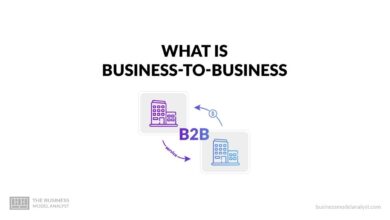
The term b2b business—short for business-to-business—refers to companies that sell products or services to other businesses, rather than to individual consumers (B2C). This model powers industries from manufacturing to SaaS, forming the backbone of global commerce.
Core Definition and Scope
At its heart, a b2b business operates on transactions between organizations. For example, a software company selling CRM tools to enterprises, or a steel supplier providing materials to automakers. These relationships are typically long-term, high-value, and built on trust and performance.
- Transactions are often larger in scale than B2C.
- Decision-making involves multiple stakeholders.
- Sales cycles are longer and more complex.
“B2B is not just about selling to businesses—it’s about solving their problems at scale.” — Forbes
Key Differences Between B2B and B2C
While both models aim to generate revenue, the approach, messaging, and customer journey differ significantly. B2B buyers prioritize ROI, efficiency, and integration, whereas B2C focuses on emotion, convenience, and branding.
- B2B: Rational, data-driven decisions.
- B2C: Emotional, impulse-driven purchases.
- B2B relationships require nurturing over months or years.
Understanding these distinctions is crucial for crafting effective marketing and sales strategies in a b2b business environment.
Major Types of B2B Business Models
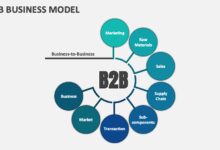
Not all b2b businesses operate the same way. There are several distinct models, each with unique characteristics, target markets, and revenue structures. Knowing which model fits your company can shape your entire go-to-market strategy.
Manufacturers and Wholesalers
This traditional model involves producing goods and selling them in bulk to distributors or retailers. For instance, a textile manufacturer supplying fabric to clothing brands. These businesses thrive on volume, logistics efficiency, and supply chain reliability.
- High capital investment in production.
- Reliance on long-term contracts.
- Focus on cost-per-unit optimization.
Companies like 3M exemplify this model, providing industrial materials to countless other businesses worldwide.
Software as a Service (SaaS) Providers
SaaS has revolutionized the b2b business landscape. Instead of selling software licenses, companies offer subscription-based access to cloud platforms. Think of tools like Salesforce, HubSpot, or Slack—essential for modern business operations.
- Recurring revenue model.
- Scalable with low marginal costs.
- Heavy focus on customer success and retention.
According to Gartner, the global SaaS market is projected to exceed $230 billion by 2025, highlighting its dominance in the digital b2b business ecosystem.
Service-Based B2B Companies
These firms offer expertise rather than physical products. Examples include consulting agencies, marketing firms, IT support services, and legal advisory groups. Their value lies in knowledge, experience, and customized solutions.
- High-touch client relationships.
- Revenue tied to time and expertise.
- Often project-based or retainer-driven.
Firms like McKinsey & Company or Deloitte operate in this space, delivering strategic insights to Fortune 500 clients across the globe.
The B2B Buying Process: How Decisions Are Made
Unlike B2C, where a single person might make a quick purchase, the b2b business buying process is intricate and involves multiple stages and stakeholders. Understanding this journey is key to influencing outcomes.
Stages of the B2B Purchase Journey
The typical b2b buying cycle includes awareness, consideration, evaluation, purchase, and post-purchase review. Each phase requires tailored messaging and engagement strategies.
- Awareness: The buyer realizes they have a problem.
- Consideration: They research potential solutions.
- Evaluation: Vendors are compared based on features, pricing, and support.
- Decision: A final vendor is selected.
- Post-Purchase: Onboarding, usage, and renewal discussions begin.
For a b2b business, mapping content and sales touchpoints to each stage dramatically improves conversion rates.
Key Decision Makers in B2B Sales
In any organization, several roles influence a purchase decision:
- End Users: Those who will use the product daily.
- Economic Buyers: The ones approving the budget.
- Technical Evaluators: IT or operations teams assessing compatibility.
- Champions: Internal advocates who push for your solution.
Successful b2b businesses don’t just sell to one person—they align value propositions for each stakeholder.
“In B2B, you’re not just selling a product—you’re building consensus.” — Harvard Business Review
Essential B2B Marketing Strategies That Work
Marketing in a b2b business context demands precision, patience, and proof. Generic ads won’t cut it. Instead, companies must leverage data-driven, relationship-focused tactics that build credibility over time.
Content Marketing and Thought Leadership
One of the most powerful tools in the b2b business arsenal is high-quality content. Whitepapers, case studies, webinars, and blogs position your brand as an authority.
- Educate prospects about industry challenges.
- Showcase real-world results through customer success stories.
- Optimize content for SEO to attract organic traffic.
For example, IBM’s Thought Leadership portal generates millions of visits by offering deep insights into AI, cloud computing, and digital transformation.
Account-Based Marketing (ABM)
ABM flips traditional marketing on its head. Instead of casting a wide net, you target specific high-value accounts with personalized campaigns.
- Identify ideal customer profiles (ICPs).
- Create custom content for each account.
- Engage decision-makers via email, social media, and direct outreach.
According to ABM Leadership Forum, companies using ABM report 200% higher win rates and 171% greater ROI than traditional methods.
Email and Lead Nurturing Campaigns
Email remains a cornerstone of b2b business communication. But it’s not about blasting promotions—it’s about nurturing leads with relevant, timely information.
- Segment leads based on behavior and interest.
- Use drip campaigns to guide prospects through the funnel.
- Include clear CTAs and track engagement metrics.
Tools like Mailchimp and HubSpot enable automation, ensuring no lead falls through the cracks.
Sales Funnel Optimization for B2B Business
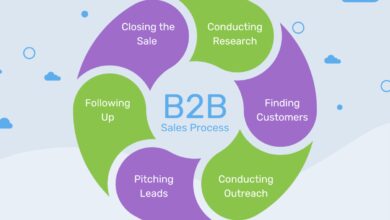
A well-structured sales funnel turns interest into revenue. In a b2b business, optimizing each stage—from lead capture to closing—is critical for sustainable growth.
Top of Funnel: Lead Generation
This stage focuses on attracting potential customers. Tactics include SEO-optimized blog content, social media engagement, paid advertising, and gated resources like e-books.
- Use landing pages with strong value propositions.
- Offer free trials or demos to lower entry barriers.
- Leverage LinkedIn and industry forums for targeted outreach.
For instance, Drift uses conversational marketing to capture leads in real-time, increasing conversion rates by over 30%.
Middle of Funnel: Lead Qualification
Not all leads are ready to buy. This phase separates marketing-qualified leads (MQLs) from sales-qualified leads (SQLs).
- Score leads based on engagement (e.g., downloads, webinar attendance).
- Conduct discovery calls to assess needs and budget.
- Align sales and marketing teams on qualification criteria.
Effective qualification reduces wasted effort and improves sales efficiency.
Bottom of Funnel: Closing and Onboarding
At this stage, the focus shifts to negotiation, contract signing, and smooth onboarding.
- Provide detailed proposals and ROI calculators.
- Address objections with data and testimonials.
- Ensure a seamless handoff to customer success teams.
Companies like ZoomInfo invest heavily in onboarding to reduce early churn and increase long-term retention.
Digital Transformation in B2B Business
The digital revolution isn’t just changing consumer behavior—it’s reshaping how b2b businesses operate, sell, and serve clients. Embracing technology is no longer optional; it’s a competitive necessity.
Automation and CRM Integration
Customer Relationship Management (CRM) systems like Salesforce and Zoho streamline interactions, track deals, and provide analytics for better decision-making.
- Automate follow-ups and task reminders.
- Centralize customer data for unified visibility.
- Integrate with marketing and support tools for end-to-end workflows.
According to Salesforce, high-performing sales teams are 2.3x more likely to use CRM effectively.
E-commerce Platforms for B2B
Gone are the days when b2b businesses relied solely on phone calls and PDF catalogs. Modern buyers expect online purchasing experiences similar to B2C.
- Self-service portals allow clients to reorder supplies instantly.
- Dynamic pricing based on volume or contracts.
- Integration with ERP and inventory systems.
Companies like Grainger and Fastenal have built robust e-commerce platforms that handle millions in transactions annually.
Data Analytics and AI in Decision-Making
Top b2b businesses leverage data to predict trends, personalize offers, and optimize pricing.
- AI-powered chatbots handle initial inquiries 24/7.
- Predictive analytics forecast customer churn.
- Machine learning improves lead scoring accuracy.
Platforms like Tableau and Microsoft Power BI empower teams to visualize performance and act on insights in real time.
Challenges Facing Modern B2B Businesses
Despite the opportunities, running a successful b2b business comes with significant hurdles. From economic volatility to technological disruption, leaders must navigate a complex landscape.
Long Sales Cycles and High Acquisition Costs
B2B sales often take months—or even years—to close. This requires sustained investment in marketing, sales, and relationship-building.
- High customer acquisition cost (CAC) pressures profitability.
- Need for consistent nurturing increases operational load.
- Delayed revenue recognition affects cash flow.
Strategies like bundling services or offering annual contracts can help mitigate these issues.
Intense Competition and Market Saturation
Many b2b business sectors—especially in tech and SaaS—are crowded. Standing out requires differentiation beyond features.
- Competitors often offer similar pricing and functionality.
- Buyers have endless options and high expectations.
- Price wars can erode margins quickly.
Winning brands focus on customer experience, support quality, and brand trust to maintain an edge.
Adapting to Remote Work and Digital-First Buyers
The pandemic accelerated digital adoption. Today’s B2B buyers prefer virtual demos, online negotiations, and remote onboarding.
- Sales teams must master video conferencing and digital collaboration tools.
- Marketing must deliver immersive digital experiences.
- Support needs to be accessible across time zones.
Companies slow to adapt risk losing relevance in a rapidly evolving marketplace.
Future Trends Shaping the B2B Business Landscape
The future of b2b business is being rewritten by innovation, globalization, and shifting buyer expectations. Staying ahead means anticipating change before it hits.
Rise of AI-Powered Sales Assistants
Artificial intelligence is no longer science fiction. AI tools now assist with lead scoring, email drafting, meeting summarization, and even negotiation suggestions.
- Tools like Gong and Chorus record and analyze sales calls for coaching.
- AI chatbots qualify leads and book meetings autonomously.
- Smart assistants reduce administrative burden on reps.
By 2026, Gartner predicts that 80% of B2B sales interactions will be managed by AI.
Increased Focus on Sustainability and ESG
Environmental, Social, and Governance (ESG) factors are influencing B2B purchasing decisions. Companies now evaluate suppliers based on carbon footprint, ethical practices, and diversity policies.
- B2B buyers favor partners with transparent sustainability reports.
- Green certifications can become competitive advantages.
- Investors reward ESG-compliant b2b businesses with higher valuations.
For example, Unilever’s Sustainable Living Plan has driven partnerships with eco-conscious suppliers worldwide.
Globalization and Cross-Border B2B Commerce
Digital platforms have made it easier than ever for b2b businesses to operate internationally. However, this brings challenges like compliance, localization, and currency management.
- Cloud-based tools enable seamless global collaboration.
- Payment gateways like Stripe and PayPal support multi-currency transactions.
- Localization of content and support builds trust in new markets.
Platforms like Alibaba’s B2B marketplace connect millions of suppliers and buyers across continents, proving the power of global connectivity.
What is the main difference between B2B and B2C?
The primary difference lies in the customer type and decision-making process. B2B involves selling to other businesses with longer sales cycles, multiple stakeholders, and a focus on ROI. B2C targets individual consumers with faster, emotion-driven purchases.
How long does a typical B2B sales cycle last?
A typical B2B sales cycle can range from 1 to 12 months, depending on the industry, product complexity, and deal size. High-value SaaS or enterprise software deals often take 6+ months to close.
What are the most effective marketing channels for B2B businesses?
The most effective channels include content marketing (blogs, whitepapers), LinkedIn advertising, email nurturing campaigns, webinars, and account-based marketing (ABM). SEO and thought leadership also play critical roles in building authority.
Why is customer retention important in a B2B business?
Customer retention is crucial because acquiring a new B2B customer can cost 5 to 25 times more than retaining an existing one. High retention leads to recurring revenue, upsell opportunities, and stronger brand advocacy.
Can small businesses succeed in the B2B space?
Absolutely. Small B2B businesses can thrive by focusing on niche markets, offering personalized service, and leveraging digital tools to compete with larger players. Agility and specialization are their key advantages.
Running a successful b2b business isn’t about quick wins—it’s about building lasting relationships, delivering measurable value, and adapting to an ever-changing market. From understanding the buying process to embracing digital transformation, the strategies outlined here provide a roadmap for sustainable growth. Whether you’re launching a startup or scaling an established firm, mastering these principles will position your company for long-term success in the dynamic world of B2B commerce.
Further Reading: