Ever wondered how businesses sell to other businesses? B2b companies drive the backbone of global commerce, shaping industries with strategic partnerships and long-term value. Let’s dive into what makes them thrive.





What Are B2B Companies and How Do They Work?

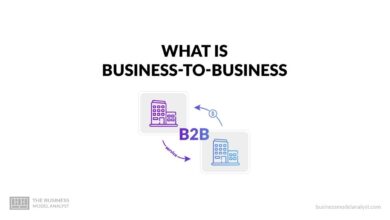
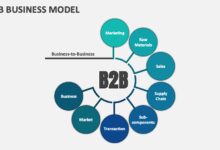
B2B companies, or business-to-business firms, sell products or services to other businesses rather than individual consumers. This model dominates industries like manufacturing, software, logistics, and wholesale distribution. Unlike B2C (business-to-consumer), B2B transactions involve longer sales cycles, higher order values, and more stakeholders in decision-making.
The Core Definition of B2B Companies
At its essence, a B2B company provides goods or services that help another business operate, grow, or deliver value to its own customers. For example, a cloud computing provider like Amazon Web Services serves other tech firms, enabling them to scale infrastructure without building data centers.
- B2B relationships are often contractual and long-term.
- Sales decisions are based on ROI, efficiency, and integration capabilities.
- Marketing focuses on logic, data, and professional credibility.
“B2B is not just selling to businesses—it’s solving complex problems with scalable solutions.” — Forbes Insights
Key Differences Between B2B and B2C Models
Understanding the contrast between B2B and B2C is crucial for anyone exploring this space. While B2C targets emotions and impulse buying, B2B appeals to rational decision-making and organizational needs.
- Audience size: B2B has fewer but higher-value clients; B2C targets mass markets.
- Sales cycle: B2B deals can take months or even years; B2C purchases are often instant.
- Pricing structure: B2B uses negotiated, tiered, or subscription-based pricing; B2C relies on fixed retail prices.
For deeper insights, check out Investopedia’s breakdown of B2B fundamentals.
Top Industries Dominated by B2B Companies
B2B companies span across numerous sectors, each with unique dynamics, customer expectations, and growth trajectories. These industries rely heavily on inter-business collaboration to function efficiently.
Technology and SaaS Providers
Software-as-a-Service (SaaS) has revolutionized how B2B companies deliver value. Firms like Salesforce, HubSpot, and Zoom offer scalable tools that enhance productivity, marketing, and communication for other businesses.
- Recurring revenue models increase predictability.
- Integration with existing systems is a key selling point.
- Customer success teams play a vital role in retention.
The global SaaS market is projected to reach $1.2 trillion by 2032, according to Grand View Research, highlighting the explosive growth potential for tech-focused b2b companies.
Manufacturing and Industrial Supply
This sector includes companies that produce raw materials, machinery, or components used by other manufacturers. For instance, a steel producer supplies automotive plants, while a semiconductor maker feeds into electronics assembly lines.
- Supply chain reliability is paramount.
- Customization and bulk pricing are common.
- Digital transformation is streamlining production and logistics.
With Industry 4.0 advancements, b2b companies in manufacturing are adopting IoT, AI, and automation to stay competitive.
Professional Services and Consulting Firms
From legal advisors to management consultants, these b2b companies offer expertise that organizations can’t maintain in-house. Firms like McKinsey, Deloitte, and PwC help businesses optimize operations, comply with regulations, and enter new markets.
- Trust and reputation are primary differentiators.
- Engagements are often project-based or retainer-driven.
- Thought leadership content strengthens brand authority.
“In B2B services, your brand is your people.” — Harvard Business Review
How B2B Companies Build Long-Term Customer Relationships
Unlike B2C, where loyalty might stem from branding or convenience, b2b companies thrive on trust, performance, and ongoing support. Building lasting relationships is not optional—it’s a survival strategy.
The Role of Account Management in B2B
Dedicated account managers act as the bridge between b2b companies and their clients. They understand client goals, anticipate needs, and coordinate internal resources to ensure satisfaction.
- Regular check-ins prevent churn.
- Proactive problem-solving enhances perceived value.
- Upselling opportunities emerge naturally through deep engagement.
According to Gartner, 89% of top-performing b2b companies use dedicated account management teams to retain high-value clients.
Customer Success as a Strategic Function
Customer success goes beyond support—it ensures clients achieve their desired outcomes using your product or service. In SaaS and enterprise software, this function is critical for reducing churn and driving expansion revenue.
- Success plans are co-created with clients.
- KPIs are tracked and reported regularly.
- Onboarding is personalized and thorough.
B2B companies like Zendesk and Adobe have entire departments focused on customer health scores and adoption metrics.
Building Trust Through Transparency and Reliability
In B2B, trust is earned through consistency. Delivering on promises, meeting SLAs (Service Level Agreements), and being transparent during setbacks solidify long-term partnerships.
- Clear communication during outages or delays builds credibility.
- Sharing roadmap updates keeps clients engaged.
- References and case studies serve as social proof.
A study by Edelman Trust Barometer found that 81% of B2B buyers say trust is the most important factor in choosing a vendor.
Marketing Strategies That Work for B2B Companies
Marketing to businesses requires a different mindset. It’s less about flashy ads and more about demonstrating expertise, solving pain points, and guiding prospects through a complex decision-making process.
Content Marketing: Educating Before Selling
B2B buyers are researchers. They consume whitepapers, case studies, webinars, and industry reports before engaging with sales teams. High-quality content positions b2b companies as thought leaders.
- SEO-optimized blog posts attract organic traffic.
- Gated content (e.g., e-books) captures leads.
- Video explainers simplify complex offerings.
HubSpot reports that companies with blogs generate 67% more leads than those without, making content a cornerstone for b2b companies aiming for visibility.
Account-Based Marketing (ABM)
ABM flips traditional marketing by targeting specific high-value accounts with personalized campaigns. Instead of casting a wide net, b2b companies focus on a few strategic prospects.
- Marketing and sales teams align on target accounts.
- Customized messaging increases engagement.
- ROI is easier to measure due to focused efforts.
According to ABM Institute, 87% of marketers who measure ROI say ABM outperforms other marketing strategies in lead quality and conversion rates.
Leveraging LinkedIn and Social Selling
LinkedIn is the go-to platform for B2B professionals. It’s where decision-makers research vendors, follow industry trends, and connect with peers.
- Sales reps use LinkedIn to identify and engage prospects.
- Company pages showcase expertise and culture.
- Paid ads target by job title, industry, and company size.
B2B companies that actively engage on LinkedIn see up to 2x higher conversion rates on lead generation campaigns, per LinkedIn Marketing Solutions.
Sales Funnel Dynamics in B2B Companies
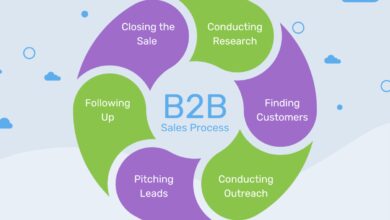
The B2B sales funnel is longer and more complex than its B2C counterpart. It involves multiple touchpoints, stakeholders, and evaluation stages before a deal closes.
Awareness Stage: Attracting the Right Audience
This is where prospects realize they have a problem. B2B companies use SEO, social media, and PR to get discovered by relevant decision-makers.
- Targeted keywords like “best CRM for small teams” attract intent-driven traffic.
- Guest articles in industry publications boost authority.
- Paid search ads capture high-intent queries.
Tools like SEMrush help b2b companies identify keyword opportunities and monitor competitors.
Consideration Stage: Nurturing Leads with Value
Once aware, prospects compare solutions. B2B companies provide comparison guides, free trials, and demos to showcase superiority.
- Email drip campaigns deliver educational content.
- Live demos allow hands-on experience.
- Customer testimonials reduce perceived risk.
Marketing automation platforms like Marketo and Pardot are widely used by b2b companies to nurture leads at scale.
Decision Stage: Closing the Deal
At this point, the prospect is ready to buy—but internal approvals, budgeting, and contract negotiations can delay closure.
- Sales teams provide ROI calculators and implementation timelines.
- Legal and procurement teams get involved.
- Discounts or pilot programs may be offered to accelerate decisions.
Shortening this stage requires seamless coordination between sales, finance, and customer onboarding teams.
Technology and Tools Powering Modern B2B Companies
Digital transformation has become a necessity, not a luxury. B2B companies leverage advanced tools to streamline operations, enhance customer experience, and gain competitive edges.
CRM Systems: The Backbone of B2B Sales
Customer Relationship Management (CRM) platforms like Salesforce, Zoho, and HubSpot CRM centralize client data, track interactions, and forecast sales.
- Sales pipelines are visualized and managed efficiently.
- Automated reminders reduce missed follow-ups.
- Analytics reveal trends in conversion rates and deal velocity.
According to Salesforce’s State of Sales Report, 74% of high-performing sales teams use CRM daily.
Marketing Automation Platforms
These tools enable b2b companies to deliver personalized content at scale. Platforms like ActiveCampaign, HubSpot, and Mailchimp automate email sequences, lead scoring, and campaign tracking.
- Behavior-based triggers send timely messages.
- A/B testing optimizes subject lines and CTAs.
- Integration with CRM ensures data consistency.
Automation can increase lead conversion by up to 50%, as reported by MarketingProfs.
Data Analytics and Business Intelligence
B2B companies rely on data to make informed decisions. Tools like Google Analytics, Tableau, and Power BI turn raw data into actionable insights.
- Customer acquisition cost (CAC) and lifetime value (LTV) are monitored closely.
- Churn analysis identifies at-risk accounts.
- Market trends inform product development.
“In the age of information, data is the new currency for b2b companies.” — McKinsey & Company
Challenges Facing B2B Companies Today
Despite their critical role in the economy, b2b companies face unique challenges that can hinder growth and sustainability.
Long Sales Cycles and High Acquisition Costs
B2B sales often involve multiple stakeholders, technical evaluations, and legal reviews, stretching the sales cycle to 6–12 months or longer. This increases customer acquisition costs (CAC) and delays revenue recognition.
- Requires sustained investment in marketing and sales teams.
- Financing becomes critical during cash flow gaps.
- Need for accurate forecasting to manage expectations.
Reducing friction through self-serve demos and AI-powered chatbots can shorten cycles, as seen with companies like Gong and Drift.
Intense Competition and Market Saturation
Many B2B markets—especially in tech and SaaS—are crowded. Standing out requires differentiation beyond features, such as superior service, pricing models, or niche specialization.
- Competitor analysis is essential for positioning.
- Unique value propositions (UVPs) must be clearly communicated.
- Innovation cycles must be accelerated.
A report by CB Insights shows that 40% of SaaS startups fail due to lack of market need, emphasizing the importance of product-market fit for b2b companies.
Economic Volatility and Supply Chain Disruptions
Global events like pandemics, geopolitical tensions, and inflation impact B2B operations. Manufacturing and logistics firms face raw material shortages, while service providers see budget freezes from clients.
- Diversifying suppliers reduces dependency risks.
- Demand forecasting helps buffer against shocks.
- Flexible pricing models accommodate client constraints.
B2B companies that adopted digital supply chain tools during the 2020–2022 disruptions recovered 30% faster, according to McKinsey.
What defines a B2B company?
A B2B company sells products or services to other businesses, not individual consumers. Examples include software providers, industrial suppliers, and consulting firms. The focus is on solving business problems, often through long-term contracts and relationship-driven sales.
How do B2B companies generate leads?
B2B companies generate leads through content marketing, SEO, LinkedIn outreach, webinars, trade shows, and account-based marketing. They prioritize quality over quantity, targeting decision-makers in specific industries or company sizes.
What is the average sales cycle for B2B companies?
The average B2B sales cycle ranges from 1 to 12 months, depending on the industry, product complexity, and deal size. High-value enterprise deals can take over a year to close due to multiple stakeholders and approval layers.
Why is customer success important in B2B?
Customer success ensures clients achieve their goals using a company’s product or service. In B2B, where contracts are long and churn is costly, proactive support, onboarding, and value realization are critical for retention and expansion.
What are the best marketing channels for B2B companies?
The most effective channels include LinkedIn, SEO-driven content, email marketing, webinars, and industry events. Account-based marketing (ABM) and referral programs also yield high ROI for targeted outreach.
B2B companies are the engine of global commerce, operating behind the scenes to power innovation, efficiency, and growth across industries. From tech startups to industrial giants, they rely on deep relationships, strategic marketing, and advanced tools to succeed. While challenges like long sales cycles and market competition persist, those who invest in customer value, data-driven decisions, and digital transformation are poised for long-term success. Understanding the dynamics of b2b companies isn’t just for entrepreneurs—it’s essential for anyone navigating the modern business landscape.
Further Reading: