Ever wondered what ‘b2b meaning’ really stands for in today’s fast-paced business world? It’s more than just an acronym—it’s the backbone of global commerce, driving innovation, partnerships, and growth behind the scenes.




Understanding the Core B2B Meaning

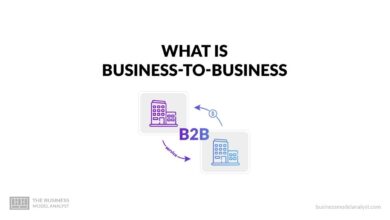
The term B2B meaning refers to ‘Business-to-Business,’ a model where companies sell products or services to other businesses rather than individual consumers. This model underpins vast sectors of the global economy, from manufacturing to digital services.
What Does B2B Stand For?
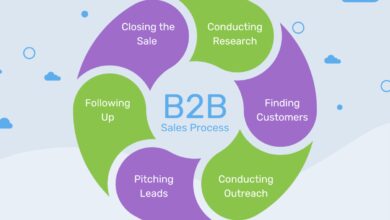
B2B stands for Business-to-Business, a transactional relationship between two companies. Unlike B2C (Business-to-Consumer), where the end-user is an individual, B2B involves one business providing value to another. This could be raw materials, software, consulting, or logistics.
- Transactions occur between suppliers and manufacturers
- Services are often customized for business needs
- Decision-making is typically longer and more complex
For example, a company like Intel sells microchips to Dell, which then integrates them into laptops. This is a classic B2B relationship. You can learn more about foundational business models at Investopedia’s B2B definition.
Historical Evolution of B2B
The concept of B2B is not new. Long before the internet, businesses traded with each other through trade fairs, catalogs, and direct sales. The Industrial Revolution accelerated B2B interactions, as factories required steady supplies of raw materials and machinery.
In the 1990s, the rise of the internet transformed B2B commerce. Online marketplaces like Alibaba and ThomasNet emerged, enabling global sourcing and digital procurement. Today, B2B e-commerce is projected to reach $20.9 trillion by 2028, according to Forrester Research.
“B2B is not just about selling; it’s about building ecosystems of value.” — Industry Analyst, McKinsey & Company
B2B Meaning in Modern Commerce
The b2b meaning has evolved beyond simple transactions. Today, it encompasses long-term partnerships, digital platforms, and data-driven decision-making. Understanding this evolution is key to thriving in a competitive marketplace.
Key Characteristics of B2B Transactions
B2B transactions differ significantly from B2C in several ways:
- Higher Order Values: B2B purchases often involve large volumes or high-value contracts.
- Longer Sales Cycles: Decisions require approvals from multiple stakeholders.
- Relationship-Driven: Trust and reliability are paramount.
- Customization: Products or services are tailored to specific business needs.
For instance, a hospital purchasing MRI machines from a medical equipment supplier will go through rigorous evaluations, negotiations, and service agreements—far more complex than a consumer buying a fitness tracker online.
B2B vs. B2C: Key Differences
While both models involve selling, the b2b meaning diverges from B2C in critical areas:
- Audience: B2B targets professionals; B2C targets end-users.
- Marketing Tone: B2B uses formal, data-backed messaging; B2C relies on emotion and lifestyle appeal.
- Purchasing Motivation: B2B focuses on ROI and efficiency; B2C on personal satisfaction.
- Channels: B2B uses LinkedIn, trade shows, and email; B2C uses Instagram, TikTok, and retail stores.
A software company selling CRM tools to enterprises uses case studies and ROI calculators. A similar tool marketed to individuals might emphasize ease of use and affordability. Understanding this distinction is crucial for effective strategy.
Types of B2B Business Models
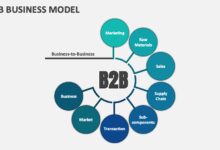
The b2b meaning spans various models, each serving different industries and needs. Recognizing these helps businesses position themselves effectively.
Manufacturer to Business
This is the most traditional B2B model. Manufacturers produce goods sold to other businesses for resale or integration.
- Automotive parts suppliers to car makers
- Textile producers to clothing brands
- Pharmaceutical labs to drug distributors
For example, BASF, a chemical giant, supplies raw materials to thousands of manufacturers worldwide. Their B2B operations are central to industries ranging from agriculture to electronics.
Wholesaler to Retailer
Wholesalers buy in bulk from manufacturers and sell to retailers at a markup. This model streamlines distribution and reduces logistics costs.
- Distributors of electronics, food, or office supplies
- Dropshipping platforms that connect suppliers with online stores
Companies like Sysco dominate the foodservice distribution space, supplying restaurants and hotels across North America. Their success lies in logistics efficiency and supplier networks.
Service-Based B2B
Many B2B companies offer intangible services rather than physical goods. These include:
- IT consulting and cybersecurity
- HR outsourcing and payroll services
- Marketing agencies and SaaS platforms
A company like Salesforce provides cloud-based CRM solutions to enterprises globally. Their entire business model is service-driven, recurring, and scalable—hallmarks of modern B2B SaaS.
The Role of Technology in B2B Meaning
Technology has redefined the b2b meaning, making transactions faster, more transparent, and data-rich. Digital transformation is no longer optional—it’s essential.
B2B E-Commerce Platforms
Online marketplaces and private storefronts have revolutionized B2B buying. Platforms like Alibaba, Amazon Business, and Shopify B2B enable seamless ordering, inventory tracking, and payment processing.
- Buyers can compare prices, read reviews, and place orders 24/7
- Sellers gain access to global markets without physical presence
- AI-driven recommendations improve purchasing efficiency
According to a report by McKinsey, 73% of B2B buyers now prefer digital self-service channels over traditional sales reps.
Automation and AI in B2B
Artificial Intelligence and automation are streamlining B2B operations:
- Chatbots handle customer inquiries and order tracking
- Predictive analytics forecast demand and optimize inventory
- Robotic Process Automation (RPA) reduces manual data entry
For example, IBM uses AI-powered tools to manage its global supply chain, reducing delays and improving forecasting accuracy. These technologies enhance efficiency and reduce operational costs.
“AI is not replacing humans in B2B—it’s empowering them to make smarter decisions.” — Gartner Research
B2B Marketing Strategies That Work
Understanding the b2b meaning also involves knowing how to market effectively in this space. Unlike B2C, B2B marketing is more strategic, relationship-focused, and content-driven.
Content Marketing for B2B
High-quality content builds authority and nurtures leads. Effective B2B content includes:
- Whitepapers and industry reports
- Webinars and case studies
- Blog posts targeting niche pain points
A company like HubSpot excels in content marketing, offering free tools, templates, and educational resources that attract millions of business users annually. Their inbound strategy turns content into leads.
Account-Based Marketing (ABM)
ABM is a targeted approach where marketing and sales teams collaborate to engage high-value accounts with personalized campaigns.
- Identify key decision-makers in target companies
- Create custom content and offers
- Use multi-channel outreach (email, LinkedIn, direct mail)
For instance, a cybersecurity firm might run a tailored campaign for a Fortune 500 bank, addressing its specific compliance challenges. ABM increases conversion rates and deal sizes.
b2b meaning – B2b meaning menjadi aspek penting yang dibahas di sini.
Social Selling and LinkedIn Strategy
LinkedIn has become the go-to platform for B2B engagement. Professionals use it to share insights, connect with prospects, and establish thought leadership.
- Regular posting builds visibility and trust
- Direct messaging enables warm outreach
- LinkedIn Ads target by job title, industry, and company size
Sales teams at companies like ZoomInfo leverage LinkedIn data to identify and engage potential clients, turning social interactions into sales opportunities.
Challenges in the B2B Landscape
Despite its advantages, the b2b meaning comes with unique challenges that businesses must navigate to succeed.
Complex Decision-Making Processes
B2B purchases often involve multiple stakeholders—procurement, finance, IT, and end-users. This complexity slows down sales cycles and requires thorough documentation.
- Sales teams must map out decision-making units (DMUs)
- Proposals need to address technical, financial, and operational concerns
- Long onboarding processes are common
A study by Corporate Executive Board (CEB) found that the average B2B buying group includes 6.8 decision-makers, making alignment critical.
Customer Retention and Churn
While B2B contracts are often long-term, churn remains a concern. Poor onboarding, lack of support, or better competitor offers can lead to customer loss.
- Invest in customer success teams
- Offer continuous training and updates
- Monitor usage and satisfaction metrics
Companies like Adobe use customer health scores to proactively address issues before clients cancel subscriptions.
Global Competition and Pricing Pressure
Digital marketplaces have increased competition. Businesses face pressure to offer competitive pricing, faster delivery, and superior service.
- Price transparency makes differentiation harder
- Emerging market suppliers offer lower-cost alternatives
- Customers demand more value for money
To stay ahead, B2B companies must focus on innovation, service quality, and building strong brand equity.
Future Trends Shaping B2B Meaning
The b2b meaning continues to evolve with technological, economic, and social shifts. Staying ahead requires foresight and adaptability.
Rise of Subscription and SaaS Models
Subscription-based B2B services are growing rapidly. Instead of one-time purchases, businesses prefer recurring, scalable solutions.
- SaaS platforms like Slack, Zoom, and Asana dominate collaboration
- Revenue predictability benefits vendors
- Customers enjoy continuous updates and support
According to Statista, the global SaaS market is expected to exceed $230 billion by 2024.
Sustainability and Ethical Sourcing
B2B buyers increasingly prioritize sustainability. Companies demand eco-friendly materials, ethical labor practices, and carbon footprint transparency.
- Apple requires suppliers to use renewable energy
- Unilever’s Sustainable Living Plan influences its procurement
- ESG (Environmental, Social, Governance) criteria are now standard in RFPs
Businesses that align with these values gain competitive advantage and stronger partnerships.
Integration of IoT and Smart Supply Chains
The Internet of Things (IoT) is transforming B2B logistics and operations. Smart sensors track inventory, monitor equipment, and optimize routes in real time.
- Manufacturers use predictive maintenance to reduce downtime
- Distributors improve delivery accuracy with GPS and temperature sensors
- Suppliers gain visibility into demand patterns
Siemens, for example, uses IoT to manage its global production network, enhancing efficiency and reducing waste.
What is the basic b2b meaning?
The basic b2b meaning refers to Business-to-Business transactions, where one company provides products or services to another company, rather than to individual consumers. This model is foundational in industries like manufacturing, technology, and wholesale.
How does B2B differ from B2C?
B2B involves longer sales cycles, higher transaction values, and multiple decision-makers, while B2C focuses on emotional appeal, shorter buying journeys, and individual customers. Marketing strategies, pricing, and channels also differ significantly.
What are common B2B business models?
Common B2B models include manufacturer-to-business, wholesaler-to-retailer, and service-based (e.g., SaaS, consulting). Each model serves different industry needs and value chains.
Why is B2B e-commerce growing so fast?
B2B e-commerce is growing due to digital transformation, demand for self-service platforms, and the need for global supply chain efficiency. Platforms like Amazon Business and Alibaba have made it easier for businesses to buy and sell online.
What are the biggest challenges in B2B?
Key challenges include complex decision-making, customer retention, pricing pressure, and adapting to technological change. Success requires strong relationships, data-driven strategies, and continuous innovation.
Understanding the b2b meaning goes far beyond a simple definition. It’s about recognizing a dynamic ecosystem that drives global commerce, innovation, and collaboration. From its historical roots to cutting-edge digital platforms, B2B is evolving rapidly. Companies that embrace technology, prioritize customer relationships, and adapt to trends like sustainability and AI will lead the future. Whether you’re a startup or an enterprise, mastering the nuances of B2B can unlock growth, efficiency, and long-term success in today’s interconnected economy.
b2b meaning – B2b meaning menjadi aspek penting yang dibahas di sini.
Further Reading: