Ever wonder why some companies dominate their industry while others struggle to close deals? The secret often lies in mastering b2b sales. It’s not just about making calls or sending emails—it’s a strategic, relationship-driven process that fuels long-term growth.
Understanding the Fundamentals of B2B Sales

B2B sales, or business-to-business sales, refers to transactions where one company sells products or services to another. Unlike B2C (business-to-consumer), these deals typically involve longer sales cycles, higher transaction values, and multiple decision-makers. Understanding this landscape is the first step toward building a successful sales strategy.
What Exactly Is B2B Sales?
At its core, b2b sales is the process of selling goods or services from one business to another. This could range from software solutions to raw materials, consulting services, or enterprise-level technology platforms. The key differentiator from B2C is the complexity and scale of the transaction.
- Sales often involve contracts and negotiations.
- Purchase decisions are based on ROI, efficiency, and strategic alignment.
- Buyers are professionals acting on behalf of their organizations.
According to Salesforce, over 70% of B2B buyers expect vendors to understand their business needs before even presenting a solution.
Key Differences Between B2B and B2C Sales
While both models aim to generate revenue, the approach, messaging, and customer journey differ significantly.
- Decision-Making: B2B purchases usually require approval from multiple stakeholders—finance, operations, IT, and executive leadership. B2C decisions are often individual and emotional.
- Sales Cycle: B2B sales cycles can last weeks or months; B2C cycles are typically much shorter.
- Relationship Focus: Long-term partnerships are central to b2b sales, whereas B2C may focus more on volume and repeat purchases.
“In B2B sales, you’re not just selling a product—you’re selling trust, reliability, and long-term value.” — HubSpot Research
The Role of Value Proposition in B2B Transactions
A strong value proposition is non-negotiable in b2b sales. It answers the critical question: “Why should a business buy from you instead of your competitor?”
- Clearly articulate how your solution solves a specific pain point.
- Quantify benefits such as cost savings, time reduction, or increased productivity.
- Align your offering with the buyer’s strategic goals.
For example, a SaaS company selling project management tools might emphasize how their platform reduces operational overhead by 30% through automation—data that speaks directly to CFOs and operations managers.
The B2B Sales Process: A Step-by-Step Breakdown
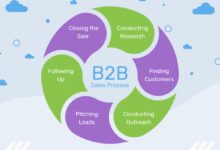
Successful b2b sales don’t happen by accident. They follow a structured process designed to guide prospects from awareness to purchase. While variations exist, most high-performing sales teams adhere to a consistent framework.
1. Prospecting and Lead Generation
This is the foundation of any b2b sales strategy. Prospecting involves identifying potential customers who have a need for your product or service.
- Use tools like LinkedIn Sales Navigator, ZoomInfo, or Hunter.io to find decision-makers.
- Leverage content marketing and SEO to attract inbound leads.
- Attend industry events and webinars to build connections.
According to Gartner, 67% of the buyer’s journey is now digital, meaning your online presence must be optimized to capture interest early.
2. Qualifying Leads with BANT and Other Frameworks
Not all leads are worth pursuing. Qualifying helps you focus on prospects most likely to convert.
- BANT: Budget, Authority, Need, Timeline—this classic model helps assess readiness to buy.
- CHAMP: Challenges, Authority, Money, Prioritization—focuses on the prospect’s pain points first.
- MEDDIC: Metrics, Economic buyer, Decision criteria, Decision process, Identify pain, Champion—used in complex enterprise sales.
Using a qualification framework ensures your team spends time on high-potential opportunities, improving conversion rates and reducing wasted effort.
3. The Discovery Call: Uncovering Real Needs
Once a lead is qualified, the next step is the discovery call—a critical conversation to understand the prospect’s challenges, goals, and decision-making process.
- Ask open-ended questions like, “What’s your biggest obstacle in achieving X?”
- Listen actively and take notes on pain points and desired outcomes.
- Identify key stakeholders and their roles in the purchase process.
A well-executed discovery call builds rapport and positions you as a consultant, not just a salesperson. As Harvard Business Review notes, salespeople who lead with insight outperform those who lead with features by 26%.
4. Presenting the Solution and Handling Objections
After discovery, it’s time to present your solution in a way that directly addresses the prospect’s needs.
- Customize your pitch using insights gathered during discovery.
- Demonstrate ROI with case studies or pilot results.
- Anticipate objections and prepare data-driven responses.
Common objections include price, timing, and perceived risk. Instead of arguing, reframe the conversation: “I understand cost is a concern. Let me show you how this investment pays for itself within six months.”
5. Closing the Deal and Negotiating Terms
Closing is not about pressure—it’s about alignment. When both parties agree on value, the deal follows naturally.
- Use trial closes: “If we can meet your budget, are you ready to move forward?”
- Be flexible on terms but protect your margins.
- Clarify next steps, including onboarding and support.
Tools like DocuSign and PandaDoc streamline contract signing, reducing delays and improving the customer experience.
6. Post-Sale Follow-Up and Relationship Management
The sale is just the beginning. Retention and expansion come from ongoing engagement.
- Schedule onboarding sessions to ensure smooth implementation.
- Check in regularly to assess satisfaction and identify upsell opportunities.
- Turn customers into advocates through referral programs.
Research from Forrester shows that companies with superior post-sale support see 2.3x higher customer lifetime value.
Essential B2B Sales Strategies for 2024 and Beyond
The world of b2b sales is evolving rapidly. To stay competitive, sales teams must adopt modern strategies that align with how buyers make decisions today.
Account-Based Selling: Targeting High-Value Clients
Account-based selling (ABS) flips traditional sales on its head. Instead of casting a wide net, you focus on a select group of high-value accounts and tailor your approach to each.
- Identify target accounts based on fit and potential revenue.
- Create personalized outreach campaigns using email, social media, and direct mail.
- Engage multiple stakeholders within the same organization.
According to ABM Leadership Alliance, 87% of marketers report that ABS generates higher ROI than other marketing investments.
Social Selling: Building Trust on LinkedIn and Beyond
Social selling leverages platforms like LinkedIn to build relationships, share insights, and position yourself as a trusted advisor.
- Optimize your LinkedIn profile with a professional photo and clear value proposition.
- Engage with prospects’ content by commenting thoughtfully.
- Share valuable articles, case studies, and industry trends regularly.
Salespeople who use social selling close 27% more deals, per LinkedIn’s 2023 Sales Statistics Report.
Content-Driven Sales: Educating Before Selling
Today’s B2B buyers are self-educated. They consume content long before they talk to a sales rep. That’s why content-driven sales is so powerful.
- Provide whitepapers, webinars, and ROI calculators that address common challenges.
- Use email sequences that deliver value before pitching.
- Track content engagement to identify hot leads.
For example, a cybersecurity firm might offer a free risk assessment tool. When a prospect uses it and sees vulnerabilities, they’re more likely to engage in a sales conversation.
Leveraging Technology in B2B Sales
Technology has transformed b2b sales from a manual, relationship-heavy process to a data-driven, scalable operation. The right tools can amplify your team’s effectiveness and provide deeper insights into buyer behavior.
CRM Systems: The Backbone of Modern Sales Teams
A Customer Relationship Management (CRM) system is essential for organizing contacts, tracking interactions, and managing pipelines.
- Popular platforms include Salesforce, HubSpot, and Zoho CRM.
- Automate follow-ups, logging calls, and updating deal stages.
- Gain visibility into team performance and forecast accuracy.
Companies using CRM report a 29% increase in sales growth, according to Nucleus Research.
Sales Engagement Platforms: Automating Outreach
Sales engagement tools like Outreach, Salesloft, and Apollo.io help automate and optimize outreach at scale.
- Schedule multi-channel sequences (email, phone, LinkedIn).
- Track open rates, reply rates, and engagement metrics.
- Use AI to suggest optimal send times and personalize messages.
These platforms ensure consistency and allow reps to focus on high-value conversations rather than administrative tasks.
AI and Predictive Analytics in B2B Sales
Artificial intelligence is no longer science fiction—it’s a sales enabler. AI tools can predict which leads are most likely to convert, recommend next steps, and even draft personalized emails.
- Use AI-powered chatbots to qualify website visitors 24/7.
- Leverage predictive lead scoring to prioritize outreach.
- Analyze historical data to refine pricing and packaging strategies.
As McKinsey reports, AI-driven sales organizations see up to 50% faster lead conversion and 60% lower cost per acquisition.
Building a High-Performance B2B Sales Team
Even the best strategies and tools won’t succeed without the right people. Building a high-performance b2b sales team requires intentional hiring, training, and culture development.
Hiring the Right Sales Talent
Not all salespeople are suited for b2b sales. Look for candidates with specific traits:
- Strong communication and active listening skills.
- Curiosity and a consultative mindset.
- Resilience and the ability to handle rejection.
Use structured interviews and role-playing exercises to assess real-world performance. Consider personality assessments like DISC or Predictive Index to understand behavioral tendencies.
Training and Onboarding for Long-Term Success
Onboarding sets the tone for a rep’s entire tenure. A structured program should include:
- Product and industry knowledge training.
- Sales methodology (e.g., Challenger Sale, SPIN Selling).
- Hands-on practice with CRM and sales tools.
Companies with formal onboarding programs see 54% higher employee retention, per Bain & Company.
Creating a Culture of Accountability and Motivation
A winning sales culture balances accountability with support.
- Set clear KPIs: number of calls, meetings booked, conversion rates.
- Hold regular one-on-ones to review progress and remove blockers.
- Celebrate wins, both big and small, to boost morale.
Transparency in performance metrics fosters healthy competition and continuous improvement.
Measuring Success in B2B Sales
What gets measured gets managed. To optimize your b2b sales efforts, you need to track the right metrics and use data to drive decisions.
Key Performance Indicators (KPIs) Every Sales Leader Should Track
These metrics provide insight into the health of your sales pipeline and team performance:
- Sales Cycle Length: Average time from first contact to closed deal.
- Conversion Rates: Percentage of leads that move from one stage to the next.
- Customer Acquisition Cost (CAC): Total cost to acquire a new customer.
- Customer Lifetime Value (CLTV): Total revenue expected from a customer over time.
- Win Rate: Percentage of opportunities that result in a sale.
Monitoring these KPIs helps identify bottlenecks—e.g., if leads are stalling in the proposal stage, you may need better pricing or demo strategies.
Using Data to Optimize the Sales Funnel
Your sales funnel is a diagnostic tool. Analyze each stage to find leaks and improve flow.
- Are you generating enough top-of-funnel leads?
- Is your qualification process too strict or too loose?
- Are proposals being sent but not followed up?
Use A/B testing to refine messaging, timing, and outreach channels. For example, test two different subject lines in email campaigns to see which generates more replies.
Customer Feedback and Continuous Improvement
Never underestimate the power of direct feedback. Regularly survey customers to understand their experience.
- Ask: “What almost stopped you from buying?”
- Collect insights from lost deals to refine your approach.
- Implement a Net Promoter Score (NPS) system to measure loyalty.
As Qualtrics found, companies that act on customer feedback grow revenues 2.5x faster than those that don’t.
Future Trends Shaping B2B Sales
The future of b2b sales is digital, data-rich, and customer-centric. Staying ahead means anticipating change and adapting quickly.
The Rise of Buyer-Led Sales Journeys
Today’s B2B buyers are in control. They research independently, compare vendors, and expect personalized experiences before engaging with sales.
- 89% of buyers start with a search engine, per Google’s ZMOT study.
- Sales teams must meet buyers where they are—with content, chatbots, and self-service tools.
- Empower buyers with interactive demos and ROI calculators.
The role of the sales rep is shifting from information provider to trusted advisor.
Hybrid Selling: Combining Virtual and In-Person Engagement
The pandemic accelerated virtual selling, but the future is hybrid. Combining digital efficiency with in-person relationship building offers the best of both worlds.
- Use video calls for initial meetings and demos.
- Schedule face-to-face meetings for high-stakes negotiations or strategic reviews.
- Leverage virtual events to reach a broader audience.
According to McKinsey, 75% of B2B buyers now prefer remote or hybrid interactions.
Sustainability and Ethical Selling in B2B
More companies are prioritizing sustainability and ethical practices in their purchasing decisions.
- Highlight your company’s ESG (Environmental, Social, Governance) commitments.
- Offer carbon-neutral shipping or energy-efficient products.
- Be transparent about supply chains and labor practices.
A 2023 IBM study found that 68% of B2B buyers consider sustainability when choosing a vendor.
What is the average length of a B2B sales cycle?
The average B2B sales cycle ranges from 1 to 6 months, depending on the industry, product complexity, and deal size. For enterprise software, it can extend to 12 months or more. Simpler services may close in 30-45 days.
How can I improve my B2B sales conversion rate?
Focus on better lead qualification, personalized outreach, and value-based selling. Use CRM data to identify bottlenecks, train your team on objection handling, and leverage case studies to build credibility.
What are the most effective B2B sales channels?
The most effective channels include LinkedIn for social selling, email for direct outreach, and content marketing (blogs, webinars) for inbound leads. Account-based marketing (ABM) campaigns also yield high ROI for enterprise sales.
Is cold calling still effective in B2B sales?
Yes, but only when done strategically. Personalized cold calls based on research and timing perform best. Combine with email and LinkedIn outreach for multi-touch campaigns that increase response rates.
How do I build trust in B2B sales?
Build trust by listening more than talking, delivering consistent value, and being transparent. Share case studies, offer free trials, and follow through on promises. Long-term relationships are built on reliability and expertise.
Mastering b2b sales requires a blend of strategy, technology, and human insight. From understanding the sales process to leveraging AI and building high-performing teams, success comes from continuous learning and adaptation. The future belongs to those who put the buyer first, deliver measurable value, and stay ahead of industry trends. Whether you’re scaling a startup or optimizing an enterprise sales force, the principles outlined here provide a roadmap for sustainable growth and competitive advantage.
Further Reading:
