Ever wondered how a company sells to another business, which then sells to you? That’s b2b2c in action—a game-changing model reshaping modern commerce. Let’s dive into how it works and why it matters.




What Is b2b2c and Why It’s Transforming Modern Business

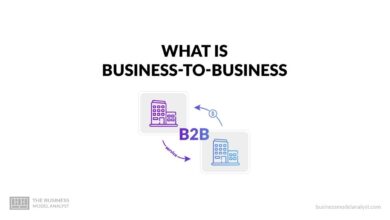
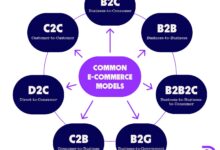
The term b2b2c, or business-to-business-to-consumer, describes a hybrid model where a company (B2B) provides products or services to another business, which then delivers them to the end consumer (B2C). Unlike traditional B2B or B2C models, b2b2c creates a collaborative ecosystem where value is co-created across multiple layers of the supply chain.
The Core Concept of b2b2c
At its heart, b2b2c is about indirect consumer engagement. Instead of marketing directly to customers, a business equips another company with tools, products, or platforms that ultimately serve the end user. For example, a software provider might sell CRM tools to retailers, who then use them to improve customer service. The software company doesn’t interact with shoppers directly but still influences their experience.
- Value flows from B2B to B2C through partnership.
- Brand visibility is shared between partners.
- Customer data is often jointly leveraged (with consent).
“The b2b2c model blurs the lines between supplier and seller, creating a seamless value chain.” — Harvard Business Review
How b2b2c Differs From Traditional B2B and B2C
Traditional B2B focuses solely on transactions between businesses, with little regard for the end consumer. B2C, on the other hand, centers on direct sales to individuals. The b2b2c model uniquely combines both: it maintains B2B relationships while strategically influencing B2C outcomes.
- B2B: Focus on efficiency, contracts, ROI.
- B2C: Focus on emotion, branding, user experience.
- b2b2c: Balances both, aiming for mutual brand enhancement.
For instance, a financial technology firm might partner with a retail bank to offer digital wallets. The fintech company (B2B) doesn’t market to end users, but its technology shapes how consumers (B2C) manage money. This dual-layer approach requires alignment in branding, service quality, and customer support.
The Evolution of b2b2c in the Digital Age
The rise of digital platforms has accelerated the adoption of the b2b2c model. As companies seek scalable ways to reach consumers without building direct sales infrastructures, partnerships have become strategic imperatives. The model thrives in ecosystems where data, technology, and customer access are shared.
Historical Shift From Linear to Ecosystem Models
In the past, supply chains were linear: manufacturer → distributor → retailer → consumer. Today, digital integration allows for networked ecosystems. Companies no longer operate in silos; they co-create value through interconnected platforms. This shift has made b2b2c not just possible, but profitable.
- Pre-digital era: Limited data sharing, rigid roles.
- Digital transformation: APIs, cloud services, real-time analytics enable collaboration.
- Modern b2b2c: Dynamic partnerships with shared KPIs.
According to McKinsey & Company, businesses leveraging b2b2c models report higher customer retention and faster market penetration than those relying on traditional models.
Technology Enablers of b2b2c Growth
Several technological advancements have made the b2b2c model scalable and sustainable:
- Cloud Computing: Enables seamless integration between business systems.
- APIs (Application Programming Interfaces): Allow different platforms to communicate, such as a payment gateway integrating with an e-commerce site.
- Data Analytics: Provides insights into consumer behavior across partner networks.
- AI and Machine Learning: Personalize consumer experiences even when the original provider isn’t directly interacting with them.
For example, Shopify (B2B) empowers small businesses (B2B) to create online stores, which then sell directly to consumers (B2C). Shopify doesn’t handle customer service for end buyers, but its tools shape the shopping experience—making it a textbook b2b2c player.
Key Industries Leveraging the b2b2c Model
The b2b2c model isn’t limited to tech. It’s thriving across sectors where indirect consumer influence drives competitive advantage. Let’s explore some of the most prominent industries.
Retail and E-Commerce
In retail, b2b2c is evident in marketplace platforms like Amazon or Alibaba. These companies provide infrastructure (logistics, payment processing, listing tools) to third-party sellers (B2B), who then reach millions of consumers (B2C). Amazon doesn’t own all the inventory, but its ecosystem ensures a consistent customer experience.
- Sellers benefit from Amazon’s reach and trust.
- Amazon gains revenue from commissions and fees.
- Consumers enjoy variety and reliability.
This model reduces entry barriers for small businesses while scaling Amazon’s influence without direct inventory risk.
Financial Services
Banks and fintech companies increasingly adopt b2b2c strategies. For instance, Stripe provides payment processing tools to SaaS platforms, which then offer checkout services to their users. The end consumer may never know Stripe exists, but their transaction depends on it.
- Fintech firms act as invisible enablers.
- Partners gain seamless financial functionality.
- Consumers experience frictionless payments.
As noted by Deloitte, this model allows fintechs to scale rapidly without consumer-facing marketing costs.
Healthcare and Telemedicine
In healthcare, b2b2c is emerging through digital health platforms. A company like Teladoc provides telehealth infrastructure to employers or insurance providers (B2B), who then offer virtual consultations to employees or policyholders (B2C).
- Employers enhance employee benefits without building tech.
- Teladoc scales its services through trusted intermediaries.
- Patients access care through familiar channels.
This model improves healthcare accessibility while maintaining data privacy and regulatory compliance through structured partnerships.
Benefits of the b2b2c Model for Businesses
Adopting a b2b2c strategy offers numerous advantages, from reduced customer acquisition costs to enhanced brand credibility. Let’s break down the key benefits.
Expanded Market Reach Without Direct Marketing
One of the biggest advantages of b2b2c is the ability to tap into existing customer bases. By partnering with businesses that already have consumer trust, companies can bypass expensive and time-consuming marketing campaigns.
- No need to build brand awareness from scratch.
- Leverage partner’s distribution channels.
- Enter new markets faster through established networks.
For example, a cybersecurity firm selling to SaaS companies can instantly reach thousands of end users through its clients’ platforms.
Shared Risk and Investment
In traditional B2C, companies bear full responsibility for product development, marketing, and customer service. In b2b2c, these responsibilities are often shared.
- Partners co-invest in customer experience.
- Risk of market failure is distributed.
- Joint innovation becomes possible.
This collaborative risk model is especially valuable in regulated industries like finance or healthcare, where compliance costs are high.
Enhanced Data Insights and Personalization
Through b2b2c partnerships, businesses gain access to anonymized or aggregated consumer data, enabling better product refinement and personalization.
- Understand how end users interact with your technology.
- Improve features based on real-world usage.
- Offer data-driven recommendations to partners.
However, data sharing must comply with privacy laws like GDPR or CCPA, requiring transparent agreements and consent mechanisms.
Challenges and Risks in b2b2c Implementation
Despite its advantages, the b2b2c model comes with significant challenges. Misalignment between partners, brand dilution, and data governance issues can undermine success.
Brand Consistency and Control
When your product is delivered through another company, you lose direct control over the customer experience. If the partner delivers poor service, your brand may suffer by association.
- Consumers may not distinguish between provider and seller.
- Reputation risk increases with partner dependency.
- Brand guidelines must be strictly enforced.
Solution: Establish clear service-level agreements (SLAs) and co-branded standards to maintain quality.
Data Privacy and Security Concerns
Sharing consumer data across organizations increases vulnerability to breaches and compliance violations.
- Different partners may have varying security standards.
- Data ownership must be clearly defined.
- Regulatory requirements differ by region.
Best practice: Use secure APIs, encryption, and audit trails. Ensure all partners comply with ISO 27001 or SOC 2 standards.
Complexity in Performance Measurement
Measuring success in b2b2c is harder than in direct models. Key metrics like customer satisfaction, retention, and lifetime value are often siloed within the partner’s system.
- Limited visibility into end-user behavior.
- Attribution of sales or engagement is unclear.
- KPIs must be jointly defined and tracked.
Tools like partner dashboards and shared analytics platforms can help bridge this gap.
Strategies for Building a Successful b2b2c Partnership
Success in b2b2c depends on strategic alignment, trust, and operational synergy. Here’s how to build winning partnerships.
Align Goals and Incentives
Both parties must have shared objectives. Whether it’s increasing user engagement, reducing churn, or expanding into new markets, goals should be measurable and mutually beneficial.
- Define joint KPIs (e.g., conversion rates, NPS).
- Create incentive structures (revenue sharing, bonuses).
- Hold regular alignment meetings.
Example: A logistics provider partnering with an e-commerce platform might earn higher commissions for faster delivery times, aligning with the platform’s goal of customer satisfaction.
Invest in Integration and Interoperability
Technical integration is the backbone of b2b2c. Systems must communicate seamlessly to deliver a smooth experience.
- Use standardized APIs for data exchange.
- Ensure real-time synchronization (inventory, orders, payments).
- Test integrations rigorously before launch.
Companies like MuleSoft specialize in integration platforms that enable such connectivity, as highlighted by MuleSoft’s API strategy guide.
Co-Create Value Through Joint Marketing
Even in indirect models, branding matters. Co-marketing campaigns can amplify visibility for both partners.
- Launch co-branded campaigns.
- Share customer success stories.
- Leverage each other’s channels (email, social media).
For instance, Salesforce and Slack promote their integration through joint webinars and case studies, enhancing credibility for both.
The Future of b2b2c: Trends and Predictions
The b2b2c model is not a passing trend—it’s evolving into a dominant framework for digital commerce. Emerging technologies and shifting consumer expectations are shaping its future.
Rise of Embedded Finance and Services
Embedded finance—where financial services are integrated into non-financial platforms—is a major driver of b2b2c growth. From buy-now-pay-later options in e-commerce to insurance in ride-sharing apps, these services rely on B2B providers enabling B2C experiences.
- Klarna partners with retailers to offer financing at checkout.
- Stripe powers subscriptions for platforms like Netflix.
- These models increase conversion rates and customer loyalty.
According to Boston Consulting Group, embedded services could account for 25% of digital revenue by 2025.
AI-Powered Personalization at Scale
Artificial intelligence is enabling hyper-personalized experiences even in indirect models. B2B providers can use AI to analyze partner data and deliver tailored recommendations.
- Predictive analytics suggest product improvements.
- Chatbots powered by B2B AI enhance customer support.
- Dynamic pricing models adapt based on consumer behavior.
For example, Adobe’s Sensei AI helps enterprise clients personalize content for their end users, strengthening the entire b2b2c chain.
Sustainability and Ethical b2b2c Models
Consumers increasingly demand transparency and sustainability. b2b2c partnerships are responding by co-creating ethical supply chains.
- Brands partner with eco-friendly logistics providers.
- Transparency tools show product origins to end users.
- Carbon footprint data is shared across the chain.
Companies like Patagonia and Shopify are leading this shift, proving that profit and purpose can coexist in b2b2c ecosystems.
What is b2b2c?
b2b2c, or business-to-business-to-consumer, is a model where a company sells products or services to another business, which then delivers them to the end consumer. It combines B2B efficiency with B2C customer focus.
How does b2b2c benefit small businesses?
Small businesses can leverage b2b2c to access larger markets through partnerships with established platforms, reducing marketing costs and increasing credibility.
What are common examples of b2b2c?
Examples include Shopify (sells tools to merchants who sell to consumers), Stripe (provides payment processing for platforms), and Teladoc (offers telehealth services through employers).
What challenges do b2b2c models face?
Key challenges include maintaining brand consistency, ensuring data privacy, measuring performance across partners, and aligning goals between businesses.
Is b2b2c the future of digital commerce?
Yes, with the rise of platform economies, embedded services, and AI, b2b2c is becoming a dominant model for scalable, customer-centric growth.
The b2b2c model is redefining how value is created and delivered in the digital economy. By bridging the gap between businesses and consumers, it enables innovation, scalability, and deeper customer engagement. While challenges exist, strategic partnerships, technological integration, and shared goals can unlock its full potential. As industries evolve, embracing the b2b2c mindset won’t just be an option—it will be a necessity for sustainable growth.
Further Reading: