Crm software for small business: 5 Best CRM Software for Small Business in 2024: Ultimate Guide

Running a small business is no small feat. With limited resources and endless tasks, staying on top of customer relationships can be overwhelming. That’s where CRM software for small business comes in—your digital ally to organize, automate, and grow smarter.



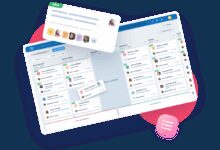

Why CRM Software for Small Business is a Game-Changer

Customer Relationship Management (CRM) software isn’t just for big corporations. In fact, small businesses often benefit the most from implementing a solid CRM system. It helps streamline communication, track leads, manage sales pipelines, and improve customer service—all from one central platform.
Boosting Customer Retention and Satisfaction
One of the biggest advantages of using CRM software for small business is the ability to maintain consistent and personalized communication with customers. By storing all customer interactions—emails, calls, purchase history, and support tickets—in one place, teams can respond faster and more accurately.
- Personalized follow-ups based on customer behavior
- Automated birthday or anniversary messages
- Quick access to past support issues for better resolution
“Companies using CRM report a 36% increase in customer satisfaction.” — Nucleus Research
Improving Sales Efficiency and Forecasting
CRM tools help sales teams track every stage of the customer journey. From lead capture to closing deals, small businesses can visualize their sales pipeline and identify bottlenecks.
- Automated lead scoring and assignment
- Real-time sales dashboards and reporting
- Accurate revenue forecasting based on historical data
Enhancing Team Collaboration and Accountability
When everyone on your team has access to the same customer data, collaboration becomes seamless. CRM software for small business ensures that no lead falls through the cracks and that responsibilities are clearly assigned.
- Shared calendars and task reminders
- Internal notes and activity logs
- Role-based permissions for data security
Top 5 CRM Software for Small Business in 2024
Choosing the right CRM can be overwhelming with so many options available. We’ve narrowed it down to the top 5 CRM software for small business that offer powerful features, ease of use, and excellent value for money.
1. HubSpot CRM
HubSpot CRM is a favorite among small businesses for its intuitive interface and robust free plan. It’s designed to grow with your business, offering seamless integration with marketing, sales, and service tools.
- Free forever plan with contact management, email tracking, and deal pipelines
- Integration with Gmail and Outlook for seamless email syncing
- Powerful automation workflows for lead nurturing
HubSpot also offers educational resources and a vibrant community. For more details, visit HubSpot CRM.
2. Zoho CRM
Zoho CRM is a versatile platform that combines affordability with advanced features. It’s particularly strong in automation and AI-powered insights, making it ideal for growing small businesses.
- AI assistant (Zia) for predictive lead scoring and activity recommendations
- Customizable sales pipelines and workflow automation
- Mobile app with offline access
Zoho CRM integrates with over 40 other Zoho apps and third-party tools like QuickBooks and Mailchimp. Learn more at Zoho CRM.
3. Salesforce Essentials
Salesforce, a leader in the CRM space, offers Salesforce Essentials—a version tailored specifically for small businesses. It brings enterprise-grade functionality in a simplified package.
- 360-degree view of customers with contact, account, and opportunity tracking
- Pre-built templates for common small business workflows
- Integration with email, calendar, and social media
Salesforce Essentials is perfect for businesses planning to scale. Explore it at Salesforce Essentials.
4. Freshsales (by Freshworks)
Freshsales stands out with its AI-driven insights and user-friendly design. It’s built for sales teams that want to close deals faster with minimal training.
- Visual deal pipeline with drag-and-drop functionality
- Phone and email integration with click-to-call features
- Lead scoring based on engagement and behavior
Freshsales also offers a free plan with up to 10 users. Check it out at Freshsales.
5. Insightly
Insightly is a great choice for small businesses that need project management alongside CRM capabilities. It bridges the gap between sales and operations.
- Project and task management within the CRM
- Relationship linking to map customer networks
- Workflow automation and email marketing integration
Insightly is ideal for service-based businesses like consultants and agencies. Visit Insightly for more.
Key Features to Look for in CRM Software for Small Business
Not all CRM systems are created equal. When evaluating CRM software for small business, focus on features that align with your goals, team size, and budget.
User-Friendly Interface and Onboarding
Small teams often lack dedicated IT staff, so ease of use is critical. Look for CRMs with intuitive dashboards, drag-and-drop functionality, and minimal learning curves.
- Mobile app availability
- In-app tutorials and onboarding wizards
- Responsive customer support
Integration Capabilities
Your CRM should work seamlessly with tools you already use—email, calendar, accounting software, and marketing platforms.
- Native integrations with Gmail, Outlook, Slack, and Zoom
- API access for custom integrations
- Pre-built connectors for e-commerce platforms like Shopify
Automation and Workflow Management
Automation saves time and reduces human error. The best CRM software for small business includes tools to automate repetitive tasks like follow-up emails, task assignments, and data entry.
- Email sequences and drip campaigns
- Conditional workflows (e.g., assign task when lead reaches stage 3)
- Automated data capture from web forms
How to Choose the Right CRM Software for Small Business
Selecting the right CRM isn’t just about features—it’s about fit. Here’s a step-by-step guide to help you make the best decision.
Assess Your Business Needs
Start by identifying your pain points. Are you losing leads? Struggling with follow-ups? Need better reporting? Define your goals before comparing tools.
- Map out your sales process from lead to close
- Identify key customer touchpoints
- Determine which departments need CRM access
Set a Realistic Budget
CRM pricing varies widely. While some offer free plans, others charge per user per month. Consider both upfront and long-term costs.
- Free vs. paid plans: what’s included?
- Hidden costs like training or add-ons
- Scalability: will the price increase as you grow?
Test Before You Commit
Most CRM software for small business offers free trials or freemium models. Use this time to test usability, integrations, and support responsiveness.
- Invite team members to test the platform
- Import sample data to see how it handles real-world scenarios
- Check mobile app performance
Common Challenges and How CRM Software Solves Them
Small businesses face unique challenges that CRM software for small business is uniquely equipped to solve.
Challenge: Disorganized Customer Data
Without a CRM, customer information is often scattered across spreadsheets, emails, and sticky notes. This leads to missed opportunities and inconsistent communication.
A CRM centralizes all data—contact details, interaction history, preferences—into a single, searchable database. This ensures every team member has the full context when engaging with a customer.
Challenge: Inefficient Sales Processes
Manual follow-ups, lost leads, and unclear pipelines slow down sales. CRM software for small business introduces structure and visibility.
- Automated reminders for follow-up calls
- Visual pipeline tracking to spot stalled deals
- Lead scoring to prioritize high-potential prospects
Challenge: Poor Customer Service
Customers expect quick, informed responses. Without a CRM, support teams may lack access to past interactions, leading to frustration.
CRM systems with service modules allow teams to view a customer’s entire history, reducing resolution time and improving satisfaction.
Implementing CRM Software: Best Practices for Small Teams
Even the best CRM software for small business will fail if not implemented properly. Follow these best practices to ensure a smooth rollout.
Start Small and Scale Gradually
Don’t try to migrate all data and processes at once. Begin with core features like contact management and basic pipelines, then add automation and integrations over time.
- Train team members on essential functions first
- Use phased rollout across departments
- Collect feedback and adjust settings accordingly
Ensure Data Quality from Day One
Garbage in, garbage out. If your CRM is filled with outdated or duplicate contacts, it loses its value.
- Clean your existing data before import
- Set up validation rules (e.g., required fields)
- Assign ownership of data maintenance
Encourage Team Adoption
Resistance to new tools is common. To drive adoption, show the personal benefits—like reduced admin work and better customer insights.
- Involve team members in the selection process
- Provide hands-on training sessions
- Recognize and reward early adopters
Future Trends in CRM Software for Small Business
The CRM landscape is evolving rapidly. Small businesses that stay ahead of trends can gain a competitive edge.
AI and Predictive Analytics
AI is no longer just for tech giants. Modern CRM software for small business uses AI to predict customer behavior, recommend next steps, and automate responses.
- AI-powered chatbots for 24/7 customer support
- Predictive lead scoring based on engagement patterns
- Natural language processing for sentiment analysis
Mobile-First CRM Design
With remote work and field sales on the rise, mobile access is essential. Future CRMs will prioritize mobile experiences with offline capabilities and voice input.
- Mobile apps with full functionality
- Voice-to-text note-taking during calls
- Location-based task reminders
Integration with E-Commerce and Social Media
As customer interactions spread across platforms, CRMs are becoming hubs that unify data from online stores, social media, and messaging apps.
- Sync customer data from Shopify, WooCommerce, or Etsy
- Track social media interactions and mentions
- Automate responses on Facebook Messenger or WhatsApp
Real-World Success Stories: Small Businesses Using CRM
Don’t just take our word for it—here are real examples of small businesses transforming their operations with CRM software for small business.
Case Study: Local Marketing Agency Boosts Client Retention
A boutique marketing agency in Austin, Texas, struggled with managing multiple client campaigns and deadlines. After implementing Zoho CRM, they linked projects to client records and automated status updates.
Result: Client retention increased by 40%, and project delivery time improved by 25%.
Case Study: E-Commerce Store Reduces Response Time
An online fashion retailer was overwhelmed with customer inquiries. They adopted HubSpot CRM and integrated it with their helpdesk and Shopify store.
Result: Average response time dropped from 12 hours to under 2 hours, and customer satisfaction scores rose by 30%.
Case Study: Consulting Firm Scales Sales Pipeline
A financial consulting firm used spreadsheets to track leads, leading to missed follow-ups. They switched to Salesforce Essentials and set up automated email sequences.
Result: Sales conversion rate increased by 50%, and the team saved 10 hours per week on manual tasks.
What is CRM software for small business?
CRM software for small business is a tool that helps small companies manage customer interactions, track sales leads, automate marketing, and improve customer service—all from a centralized platform.
Is CRM software worth it for small businesses?
Yes. CRM software can increase sales efficiency, improve customer retention, and reduce administrative workload. Many affordable and even free options are available, making it accessible for small teams.
Can I use CRM software without technical skills?
Absolutely. Most modern CRM platforms are designed with non-technical users in mind. They offer intuitive interfaces, drag-and-drop builders, and guided onboarding to make setup easy.
How much does CRM software for small business cost?
Prices vary. Free plans (like HubSpot CRM) are available, while paid plans typically range from $10 to $50 per user per month, depending on features and scalability.
Which CRM is best for startups and solopreneurs?
HubSpot CRM and Freshsales are excellent choices for startups and solopreneurs due to their free plans, ease of use, and strong automation features.
Choosing the right CRM software for small business can transform how you engage with customers and grow your revenue. From improving sales efficiency to enhancing customer satisfaction, the benefits are clear. The key is to select a platform that fits your needs, budget, and team size. With the right strategy and tools, even the smallest business can compete like a giant. Start exploring your options today—your future self will thank you.
Further Reading: